
House Clearance Specialists · Derby & Derbyshire
Tips for House Clearance Derby
Licensed Waste Carrier CBDU538050
Fully insured on every job
20 years serving Derbyshire
If you're facing a house clearance in Derby for the first time, the size of the job usually catches people out more than the emotion of it. A three-bedroom semi holds decades of accumulated belongings, and deciding what to keep, sell, donate or throw away can feel like a full-time job on top of everything else you're dealing with. These tips for house clearance in Derby come from what actually happens on the ground when a house, garage or estate gets cleared - not a generic checklist, but the questions people genuinely ask and the mistakes that cost time or money.
Whether you're clearing your own home before a move, sorting a parent's bungalow after they've gone into care, or dealing with a property after a bereavement, the approach is broadly the same: work out what's worth keeping first, deal with paperwork early, and only then think about what happens to the rest. If the job turns out bigger than expected - and it usually does - you can always hire Derby house clearance professionals to take it from there.
At a Glance
- Free, fixed-price quotes with no hidden extras once agreed
- Licensed Waste Carrier (ref. CBDU538050), fully insured for every job
- Resale value of furniture and antiques is offset against your final price
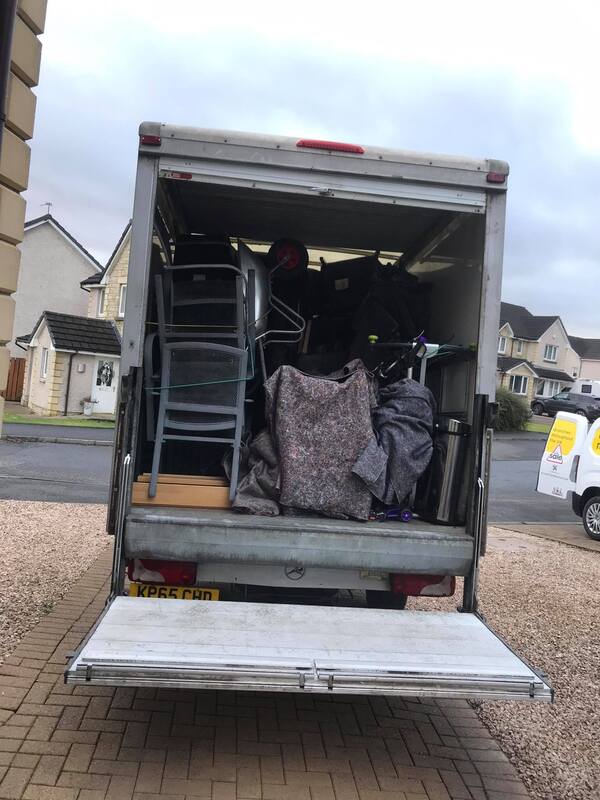
Room by room: what gets cleared, and what needs sorting separately
- Living room and bedroom furniture - sofas, armchairs, wardrobes, chests of drawers, beds and mattresses
- Kitchen appliances - fridges, freezers, washing machines, cookers and microwaves
- General household rubbish, old carpets and curtains
- Garage, shed and outbuilding contents, including tools, mowers and garden furniture
- Loft and cellar contents, once you've had a chance to check for anything sentimental
- Secure collection and destruction of old paperwork, bank statements and personal documents
- Bagged and boxed items left after you've done your own initial sort
Not Included / Costed Separately
- Asbestos-containing materials (garage roofing, old pipe lagging) - needs a specialist licensed contractor, not a standard clearance
- Builder's rubble, plaster or renovation waste from structural work - this is classed differently to household clearance
- Oil tanks, agricultural chemicals or fuel drums at rural and farmhouse properties - these need dedicated hazardous waste handling
- Gas bottles and pressurised canisters
- Live pest or vermin infestations, which need pest control treating first
- Items still legally owned by the NHS or the council, such as loaned mobility equipment or hospital beds - these get returned, not cleared
From the first phone call to a swept, empty property
- Do a rough sort before anyone arrives: You don't need to empty every drawer, but a first pass through obvious keep/sell/bin piles saves time and means nothing sentimental gets missed. Photograph anything you might need for insurance or probate before it's moved.
- Get a free, fixed-price quote: Describe what needs clearing - a full house, a single room, a garage - or send photos or a short video by WhatsApp or email for a fast estimate. A site visit gets you an accurate figure with no surprises added later.
- Deal with paperwork and valuables separately: Pull out documents, keys, jewellery and anything of obvious value before clearance day. Personal paperwork left behind is collected and destroyed securely rather than tipped with general waste.
- Clearance day itself: The team arrives on the agreed day at the agreed time. If you can't be there in person, keys can be collected from a solicitor or agent, and photos are sent through once the property has been cleared.
- Sorting and disposal happens off-site: Everything is separated at source - reusable furniture and appliances go to local charities or resale, and only what genuinely can't be reused or recycled goes to a licensed recycling centre.
- Sign-off and payment: The property is swept and left tidy before payment is taken - not before, so you're only paying once you're satisfied the job's done properly.
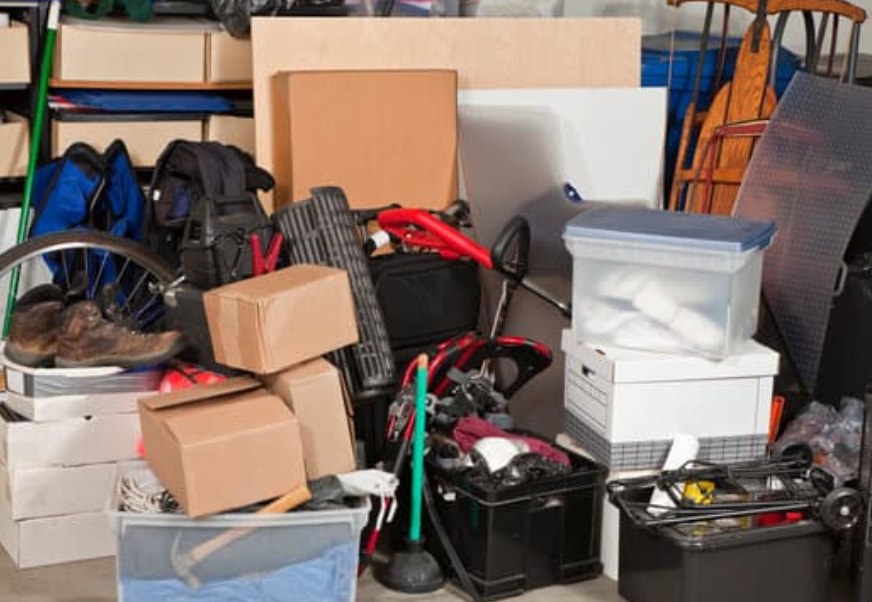
Realistic costs, and why the final figure needs a proper look first
Across the UK, house clearance typically runs from around £300 for a small flat up to £1,500 or more for a large, fully-furnished property, with £450 or so being a common middle figure. Where your job lands in that range depends on the volume of items, access (a third-floor flat with no lift takes longer than a bungalow with a driveway), and whether anything needs separating out, such as electrical items or garden waste.
A phone description or a set of photos is usually enough for a rough estimate, but a full, binding quote needs either a site visit or a proper video walkthrough, because it's the only way to see genuine volume and access before a fixed price is agreed.
One thing worth knowing before you assume the worst: resale value of decent furniture, working appliances and any antiques or collectables is factored into the price you're quoted, and in some cases can offset the cost of the clearance considerably rather than just being taken away for free.
Skip hire, man-and-van or full clearance: working out which one actually fits
| Category | DIY skip hire | Man-and-van rubbish removal | Full house clearance service |
|---|---|---|---|
| Sorting effort required from you | All of it - you fill the skip yourself | Most of it - items need to be at the kerb ready to load | Minimal - the team sorts on site as they go |
| What happens to usable items | Everything goes in the skip together | Depends on the firm - often mixed loads | Separated for resale, donation or recycling; usable pieces can offset your price |
| Paperwork and personal documents | Your responsibility to sort and destroy first | Your responsibility to sort and destroy first | Collected and destroyed securely as part of the job |
| Permits or council forms needed | Sometimes, for a skip on the road | No | No |
| Best suited to | Building waste, garden clearance | Small one-off loads, single items | Whole houses, garages, probate and bereavement clearances |
Built on repeat calls and recommendations, not adverts
If you've read this far down a page of tips, the next thing you're probably weighing up is whether the firm giving the advice is one you'd actually want doing the job. Derby House Clearance Services was started by Michael and is still family-run, with twenty years of clearing houses, garages and estates across Derby behind it, and most new customers come through repeat business and recommendations rather than advertising - which tends to keep a firm honest about how it treats people's homes and belongings, since there's no marketing budget to fall back on if the reputation slips.

Michael's own way of putting it is that the firm has never picked and chosen only the straightforward jobs, and payment is only ever taken once a customer is genuinely happy with the work - an approach he puts down as the reason so many of the same names keep calling back after two decades.
That tracks with what one customer, S. Peters, said after the team cleared a late relative's house, garage and outbuildings: the crew worked hard, left everything clean and empty, and nothing was too much trouble. It also shows up in how a job is actually run day to day - reusable furniture and appliances are donated or resold rather than binned by default, and any resale value gets knocked off the price rather than kept, which is an easy principle to abandon once a crew is under time pressure but isn't here. Every job is covered by full insurance and carried out under Licensed Waste Carrier reference CBDU538050, so waste is handled and disposed of properly rather than fly-tipped or dumped cheaply.
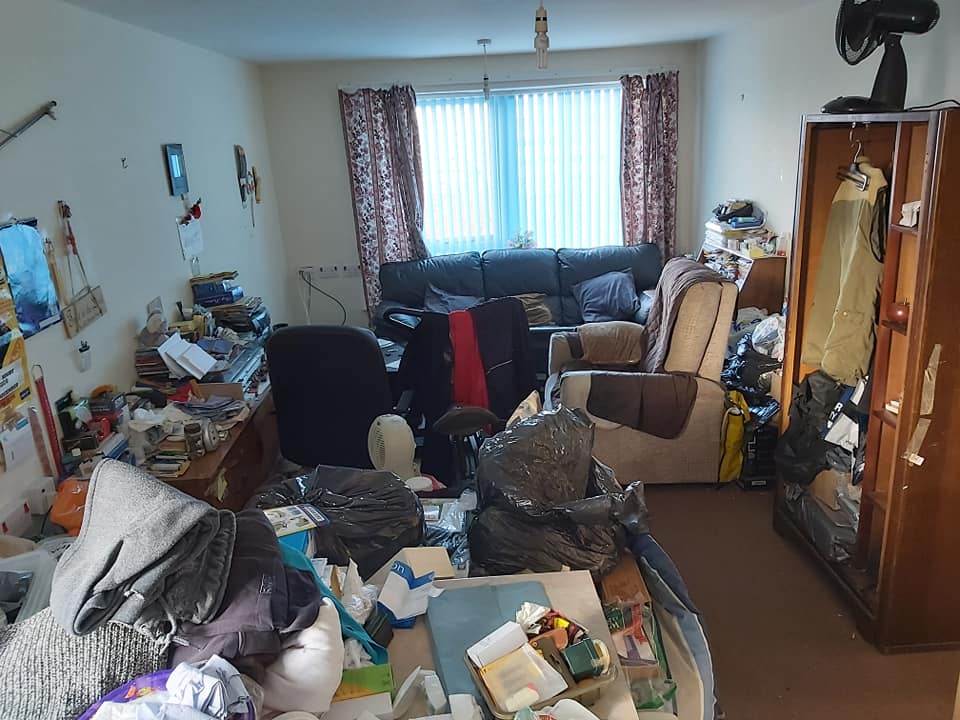
Where this advice holds true across Derby and Derbyshire
Clearances are carried out primarily in Derby itself, with jobs also covering Derbyshire towns and villages within roughly a 15-25 mile radius, extending over the border into Nottingham and Burton on Trent. In practice, the tips above play out differently depending on the property. In DE1 and the city centre, terraced houses and flats often mean tight stairwells and limited parking, so timing access with a landlord or managing agent matters more than the sorting itself.
Out towards Belper and the Derwent Valley, older stone worker's cottages sit on steep streets where a van has to be positioned carefully and heavier items need extra hands to move safely. In rural spots around Ashbourne and Matlock, farmhouses and outbuildings sometimes turn up oil tanks, old agricultural chemicals or fuel drums, which is exactly the kind of thing a standard clearance won't touch and needs flagging before a quote is given, not discovered on the day. Further into Long Eaton and Ilkeston, dense rows of red-brick terraces and semis tend to mean straightforward, quicker jobs where cost-effectiveness matters more than heritage handling. The same principles apply whether you're in Chesterfield, Heanor, Ripley, Alfreton or Swadlincote: telling them your property type and access when you call is what actually shapes the quote.
Frequently Asked Questions
Should I sort belongings myself before a clearance team arrives?
It helps, but it isn't essential. Pulling out anything sentimental, valuable or paperwork-related beforehand means it definitely doesn't get missed, but if the property is too much to face - which is common after a bereavement - the team can do the sorting on site as part of the job.
How do I decide what to keep, sell, donate or throw away?
A simple starting point is to separate items with genuine monetary value (furniture in good condition, working electronics, antiques) from items with only sentimental value (photos, letters, childhood items), and treat the rest as clearance. Anything you're unsure about is worth photographing before deciding, in case you want a record of it later.
What items can't be included in a standard house clearance?
Asbestos, builder's rubble from renovation work, gas bottles, oil tanks and agricultural chemicals at rural properties, and anything still on loan from the NHS or local authority, such as a hospital bed or mobility equipment, which needs returning rather than clearing. Flagging any of these before the quote avoids delays on the day.
How do I handle mobility equipment provided by the NHS or the council?
Loaned equipment such as hospital beds, hoists, wheelchairs or commodes isn't yours to dispose of - it needs to go back to whichever service issued it. Most councils and NHS equipment stores will arrange collection once you let them know it's no longer needed, and doing this before clearance day means it isn't accidentally cleared with everything else.
What should I do with important documents before a clearance?
Anything you need - deeds, wills, insurance documents, financial records - should be removed and kept safe before clearance day. Whatever's left behind that contains personal data, such as old bank statements or utility bills, is collected and destroyed securely rather than thrown out with general rubbish.
How far in advance should I book a house clearance in Derby?
For a straightforward clearance, a week or two's notice is usually plenty. If the job coincides with a house sale completion date or you need it done before a council bulky waste or garden collection cut-off, booking as early as possible is sensible, since clearance dates can fill up around common moving days.
Can valuable items be valued or sold as part of the clearance?
Yes. Furniture in good condition, working appliances and any antiques or collectables are factored into your quote, and in some cases their resale value can offset the overall cost of the clearance rather than being taken away for nothing.
What's the difference between a full and a partial house clearance?
A full clearance empties an entire property - every room, the loft, garage and outbuildings. A partial clearance covers only what you specify, such as a single room, a garage, or just the large furniture items, leaving the rest for you to deal with separately.
How do I choose a reputable house clearance company in Derby?
Check that the firm is a Licensed Waste Carrier, ask whether the quote is fixed once given, and look at how they talk about recycling and disposal - a firm that's vague about where items end up is worth being cautious of. Recommendations from people who've actually used a company, rather than online adverts alone, tend to be the most reliable indicator.
Don't Let a Full Property Sit and Get Worse
The longer a property sits full of belongings, the harder the job feels and the more likely something gets damaged, damp or simply forgotten about. A free, fixed-price quote takes minutes to arrange and puts a real figure on the job, whether that's a single room or a full house.
Phone: 01332-529220